



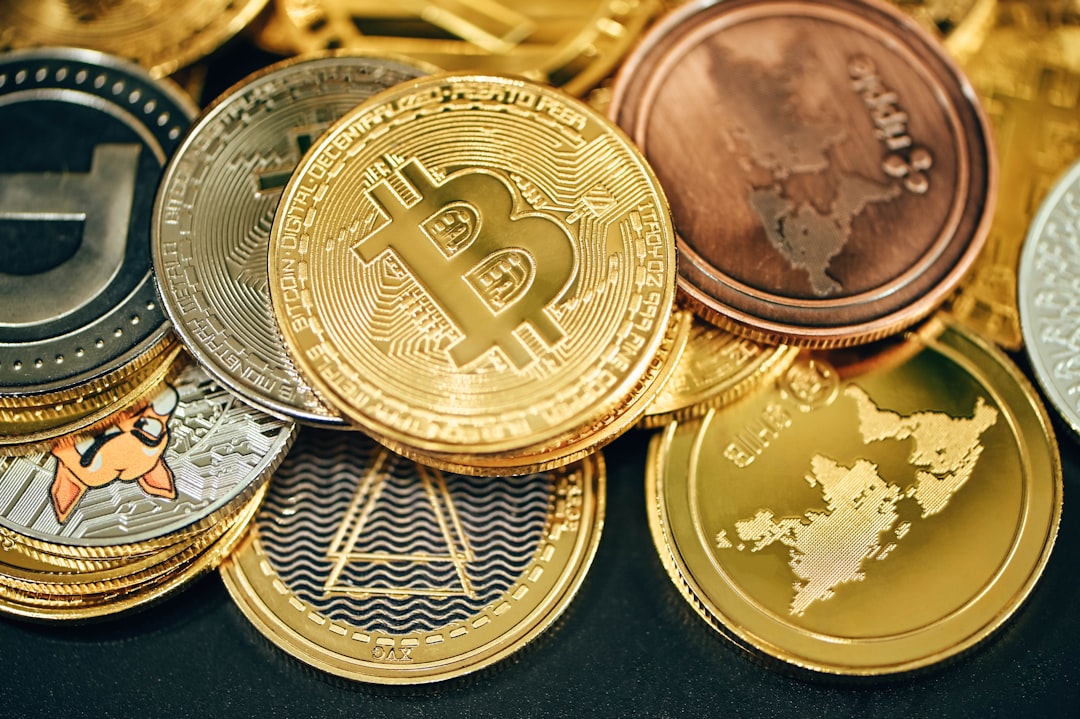
In a recent legal maneuver, the US Department of Justice (DoJ) has made a significant move to seize $7.7 million in cryptocurrency that is allegedly connected to a money laundering operation involving North Korea. This action shines a light on the dark underbelly of illicit activities that are carried out in the realm of digital currencies.
The complaint, filed in a US District Court, details a complex web of deceit in which North Korean IT workers sought illegal employment in the US and other international companies by using fraudulent identification documentation. These workers were purportedly part of a broader scheme orchestrated by North Korea’s Foreign Trade Bank representative, Sim Hyon Sop, to transfer millions of dollars amassed through illegal means.
The DoJ’s swift action to freeze and seize the cryptocurrency assets is a testament to the government’s commitment to combatting illicit financial activities, particularly those that involve exploiting the cryptocurrency ecosystem. Matthew R. Galeotti, the head of the Justice Department’s Criminal Division, emphasized the importance of safeguarding the integrity of the cryptocurrency market and preventing rogue regimes like North Korea from profiting from their unlawful actions.
The technical intricacies of the North Korean crypto laundering operations reveal a sophisticated operation where individuals conceal their true identities and locations to bypass security measures put in place by legitimate businesses. By utilizing stablecoins pegged to fiat currencies, these individuals sought to obfuscate the origins of their illicit gains and evade detection by authorities.
This case serves as a stark reminder of the challenges faced in regulating the cryptocurrency landscape, where anonymity and cross-border transactions can facilitate criminal activities. It underscores the need for enhanced regulatory oversight and international cooperation to root out bad actors and preserve the integrity of the financial system.
As the crypto industry continues to evolve and expand, it is imperative that regulators remain vigilant and proactive in addressing emerging threats posed by illicit actors. By working together to enforce robust compliance measures and combat money laundering schemes, authorities can help safeguard the legitimacy and trustworthiness of the burgeoning cryptocurrency market.


